Adrenaline Vancity – Granville
Shop
The Unbroken Line: A Guide to Japanese Traditional (Irezumi)
Japanese Traditional tattooing, known globally as Irezumi or Wabori, is far more than a collection of bold lines and iconic imagery—it is a living history etched into the skin. Originating from the ukiyo-e woodblock printing techniques of the Edo period (1603-1868), this style is defined by its unwavering commitment to contrast, storytelling, and the “horimono” (carving) philosophy. Unlike Western styles that often prioritize realism or spontaneous creativity, Irezumi relies on a strict visual hierarchy: deep, solid black backgrounds (bokashi), dominant wind bars and waves (kaze), and a vibrant, limited color palette dominated by reds, greens, and golds.
Critically, the art form demands a mastery of “flow.” A true Japanese Traditional piece does not simply sit on the body; it respects the musculature and contours, often extending across the chest, back, and limbs to create a cohesive suit. The motifs—from koi fish swimming against the current to stoic fudo myoo (wisdom kings)—are steeped in allegory, representing perseverance, loyalty, and the transient nature of life. To wear this style is to engage in a collaborative ritual with an artist who understands not just the technique, but the centuries of cultural weight behind every scale and petal.
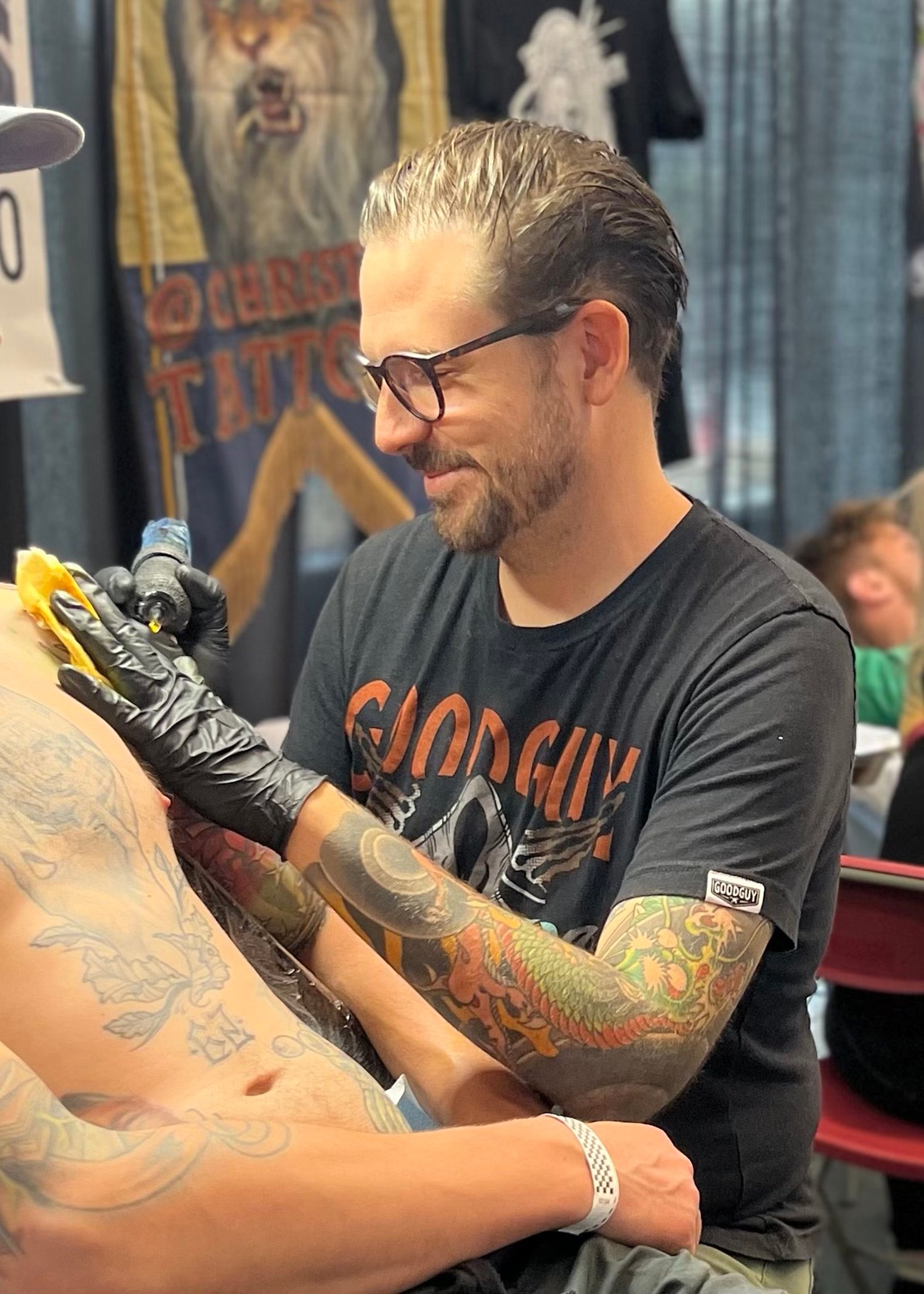
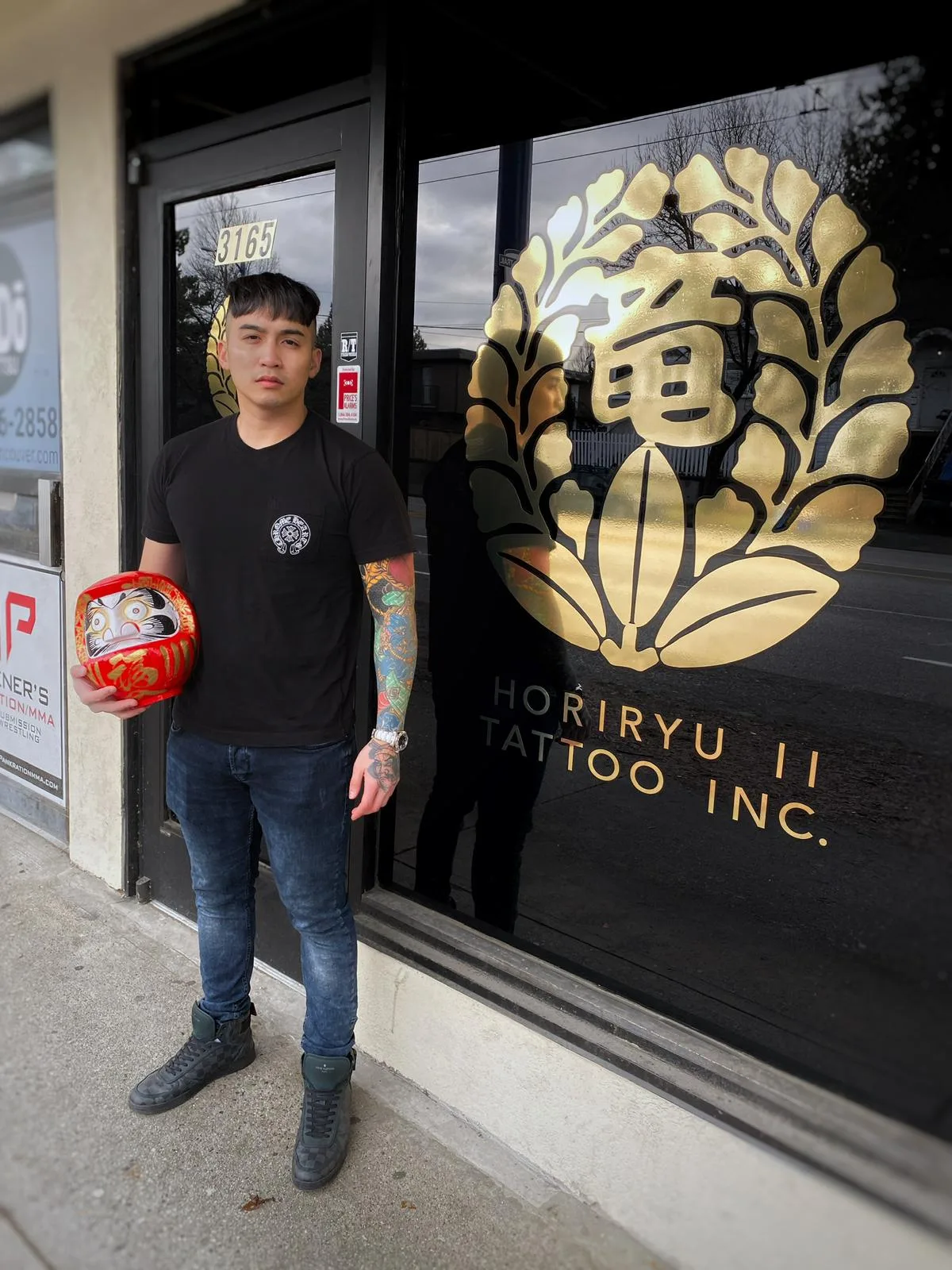
If you are looking to begin this journey, the artists featured here represent the pinnacle of this discipline. Explore the portfolios below to see who aligns with your vision: